If you’re comparing Cyprus’s investment areas, Paphos is the natural place to start, and Geroskipou in particular: it draws more foreign buyers than any other district in Cyprus (75% of all buyers in Q1 2026, per the Central Bank of Cyprus) and remains the most affordable of the four major markets, with average apartment prices around €130,000. It’s also the district Luma Developers knows best: we build in Geroskipou, and this guide reflects what we track there every day.
Limassol, Larnaca and Nicosia each have their own profile too, and Larnaca in particular has posted the fastest price growth in Cyprus over the past year. The table below compares all four districts side by side, using the most recently published official data.
| District | Price Growth (YoY, Q1 2026) | Avg. Apartment Price (H1 2026) | Foreign Buyer Share |
|---|---|---|---|
| Paphos | 6.4% | €130,000 | 75% |
| Limassol | 10.7% | €260,000 | 40% |
| Larnaca | 11.7% | €142,000 | 49% |
| Nicosia | 3.0% | €143,000 | 16% |
Price growth and buyer composition: Central Bank of Cyprus, Residential Property Price Index, Q1 2026. Average prices: Landbank Analytics, H1 2026.
These figures come from the Central Bank of Cyprus’s quarterly Residential Property Price Index, published every quarter with a district-level breakdown for prices and buyer origin.
For buyers combining investment with relocation goals, purchasing in the right area can also support a Cyprus permanent residency application; our full guide explains the thresholds and process.
For a broader look at transaction volumes and pricing across Cyprus, see our full real estate investment overview.
Why Does Paphos Still Attract the Most Foreign Buyers?
Paphos remains the district non-EU and EU buyers choose most often, accounting for 75% of buyers in Q1 2026, per Central Bank of Cyprus data. Price growth has slowed to 6.4% year-on-year (still solid, just no longer the fastest in Cyprus), but Paphos keeps its appeal for a simple reason: it combines the lowest average apartment price of the four districts (€130,000) with strong short-term rental demand from tourism.
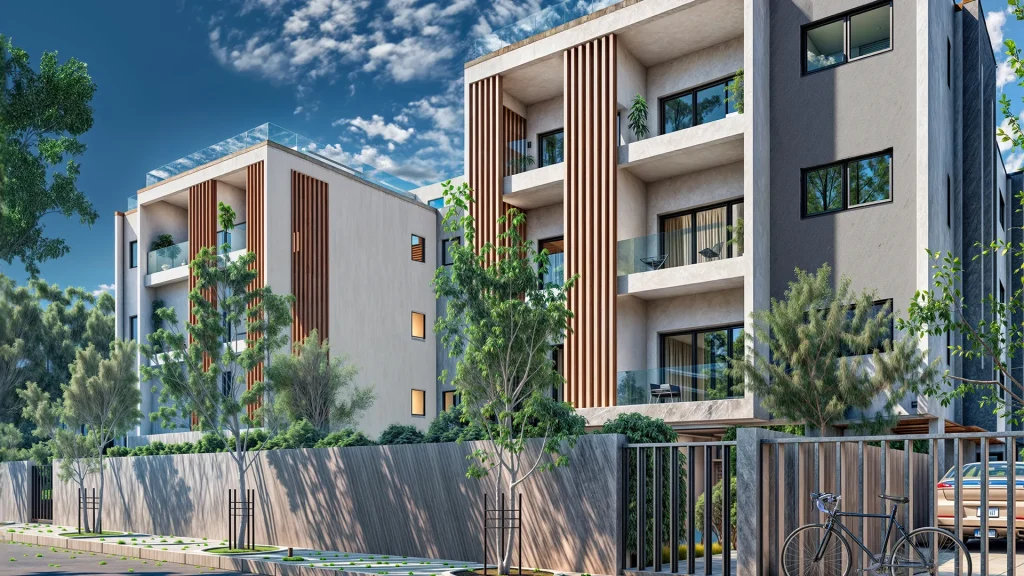
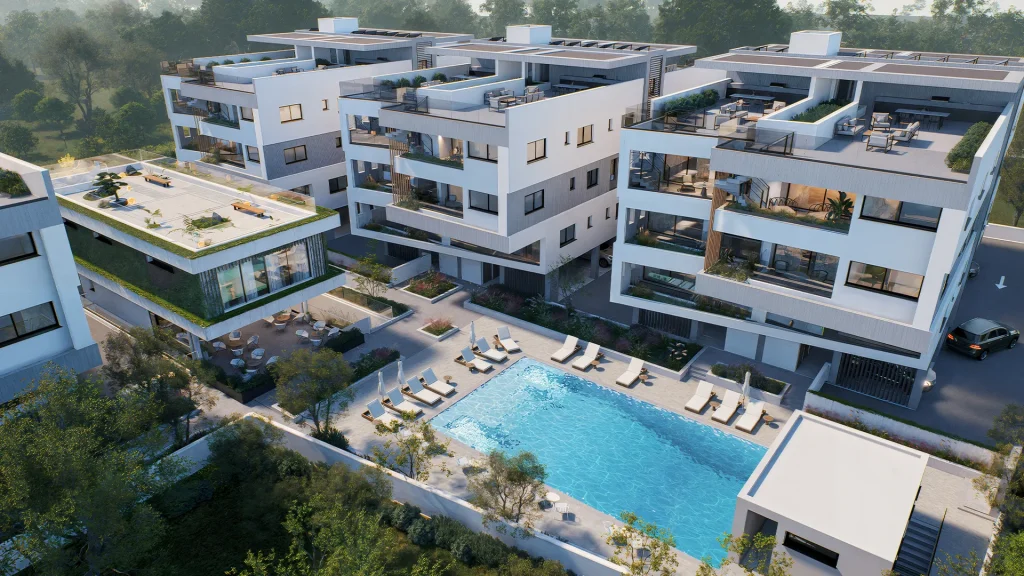
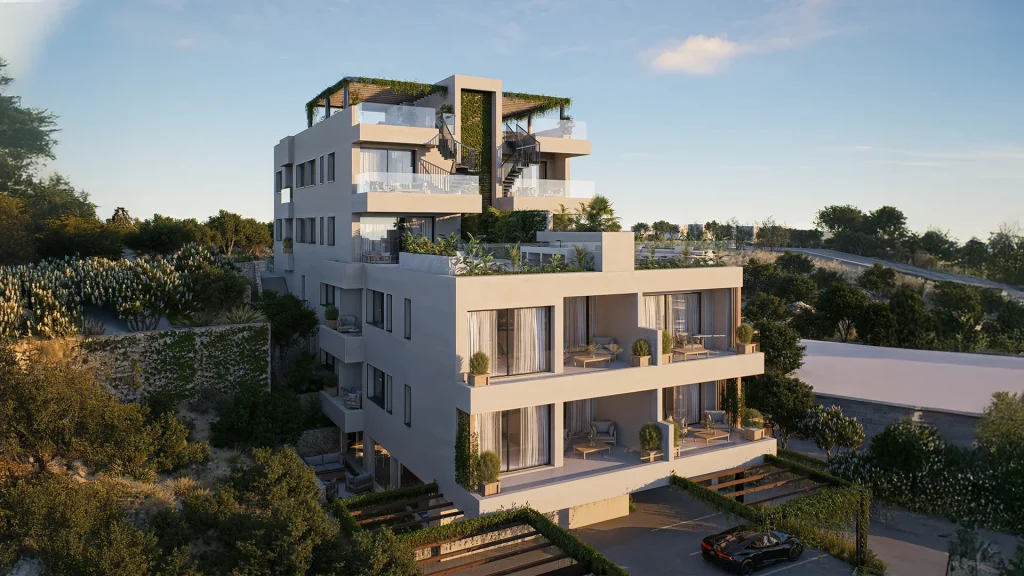
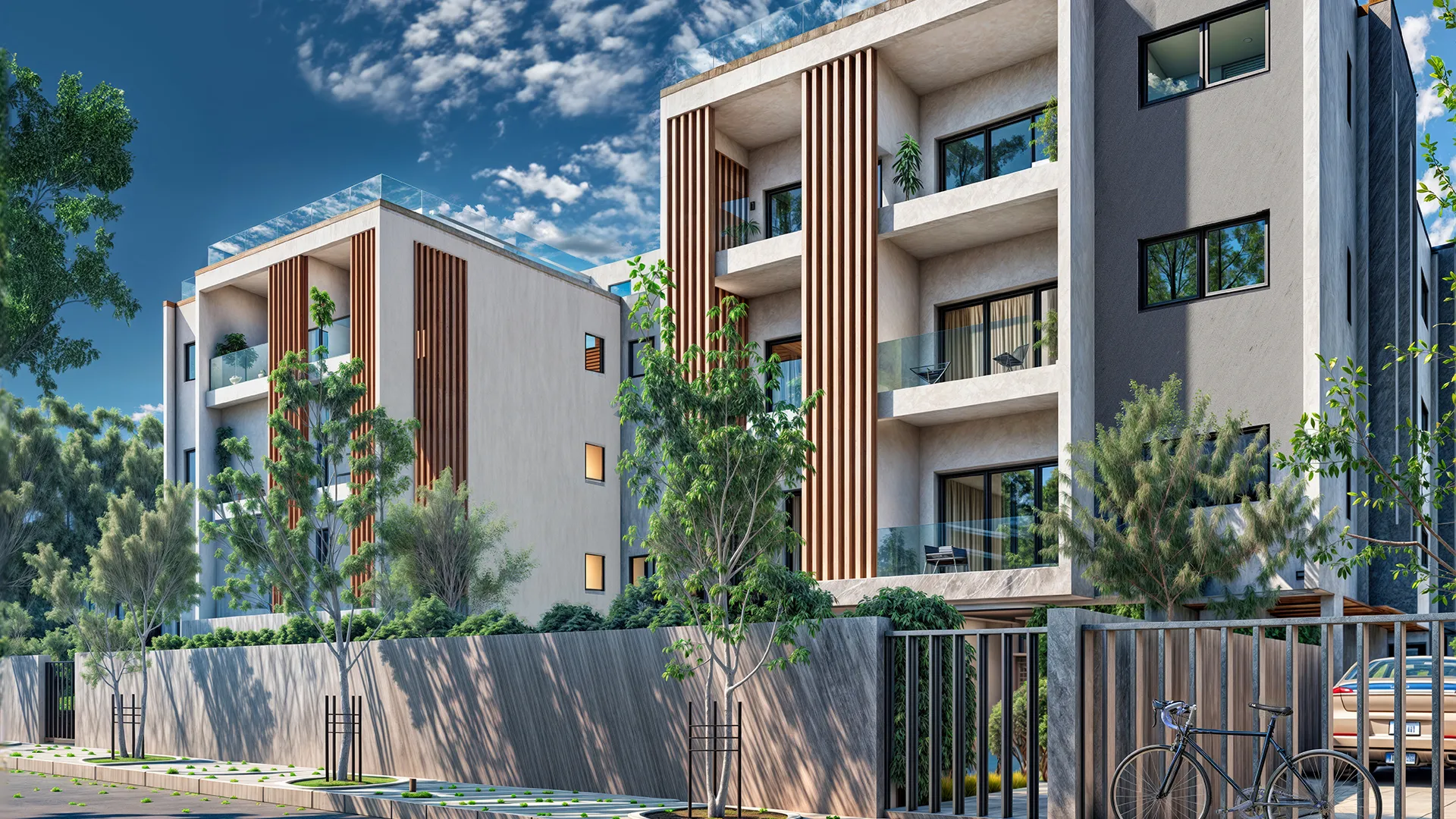
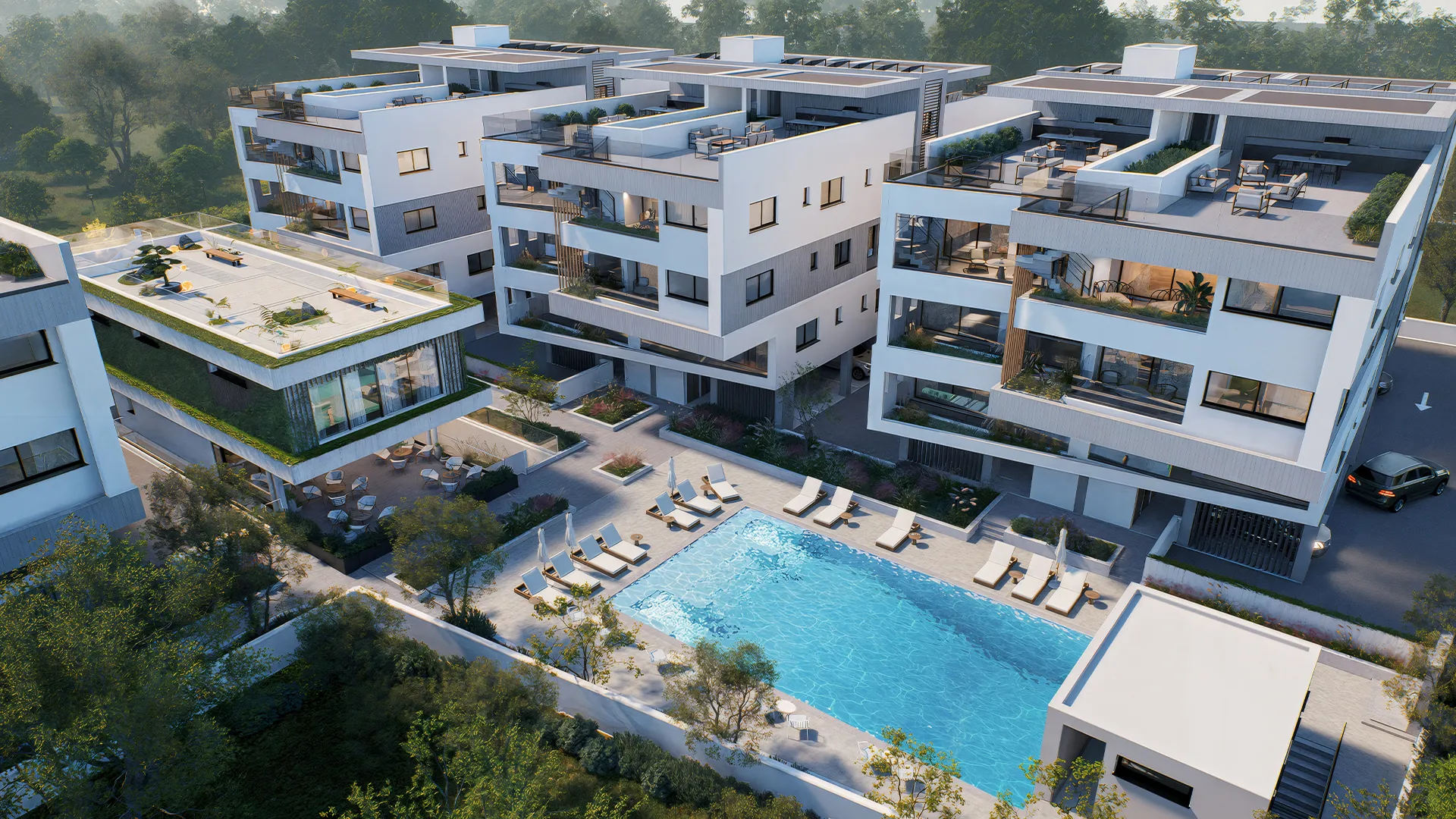
Within Paphos, Geroskipou has become one of the most active areas for investors. It sits close enough to central Paphos and the coast to benefit from the same tourism and rental demand, while offering noticeably lower entry prices and, in our experience, more room for future price growth as the area continues to develop. It’s also where Luma Developers builds; read our full Geroskipou area guide for a closer look at the neighbourhood.
Limassol: Cyprus’s Premium Market Keeps Climbing
Limassol remains the most expensive district in Cyprus, but it isn’t standing still. At 10.7% year-on-year growth, it’s now the second-fastest-growing market, behind only Larnaca. Prices average €260,000 for an apartment, roughly double Paphos or Nicosia. Demand here comes less from tourism and more from Limassol’s business and financial services sector, with roughly 40% of buyers coming from outside Cyprus.
Larnaca: Cyprus’s Fastest-Growing Market Right Now
Larnaca posted the fastest price growth of any Cyprus district in Q1 2026, at 11.7% year-on-year, overtaking both Limassol and Paphos. Prices remain the second-most affordable of the four districts (€142,000 average), and non-EU buyers now outnumber EU buyers roughly three to one. Part of the momentum comes from outside the housing market itself: in July 2026, the Cyprus Ports Authority announced a €415 million redevelopment of Larnaca’s port and marina, with a master plan due by 2029 and a full roadmap running to 2045.
Nicosia: The Steadiest Option, Not the Flashiest
Nicosia’s price growth held at 3.0% year-on-year, identical to the previous quarter, making it the most stable, if least exciting, of the four districts. As Cyprus’s administrative and business capital, demand here is driven by long-term residents and professionals rather than tourism or lifestyle buyers, which shows up in the numbers: just 16% of buyers are foreign, by far the lowest share in the country.
Choosing the best area to invest in Cyprus comes down to what you’re prioritising. Paphos, and Geroskipou specifically, still pulls in the most foreign buyers at the lowest entry price, which is why it’s usually the first place we point investors toward. Limassol commands the highest prices but keeps growing anyway. Larnaca combines the fastest price growth in Cyprus with a major infrastructure project underway. Nicosia won’t excite anyone, but it’s the most predictable. One thing worth flagging: rental yield varies by district too, but Cyprus’s yield data (RICS/KPMG) is currently only published at a national level, 5.44% for apartments in Q1 2026, so treat any specific per-district yield figure you see elsewhere with some caution unless it cites a source.
For instance, an investor prioritising rental income and low volatility might lean toward Nicosia, while someone chasing capital growth with an established buyer base might find Larnaca or Paphos more suitable.
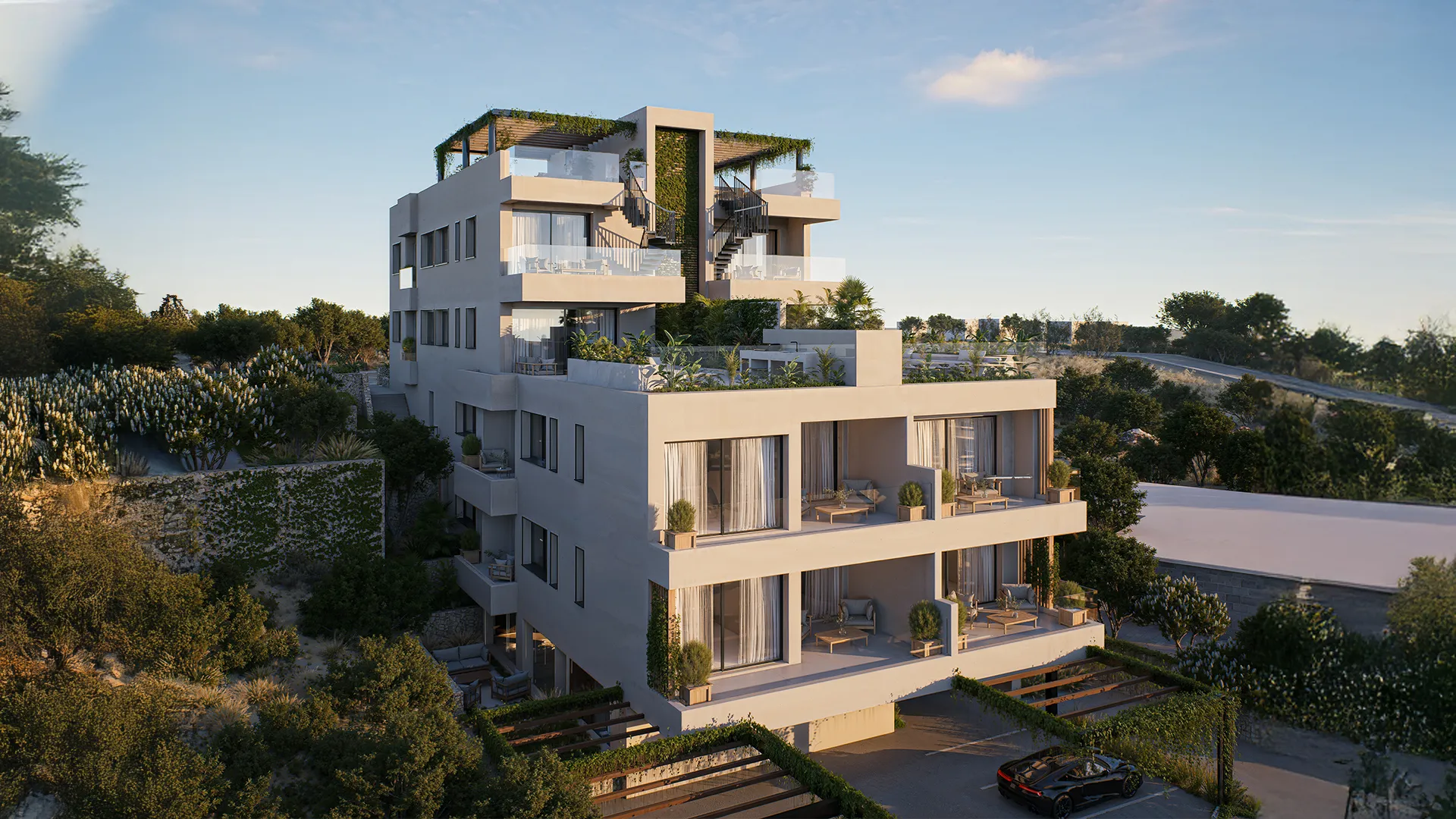
Luma Developers builds in Geroskipou, Paphos, and our own projects reflect the demand patterns described above: strong interest from international buyers drawn to the district’s combination of price and lifestyle.
This article is for general informational purposes and reflects publicly available data at the time of writing (Q1 2026 Central Bank of Cyprus figures, published June 2026). It is not financial or investment advice; property values and market conditions can change, and prospective buyers should seek independent advice before making an investment decision.
FAQ – Frequently Asked Questions
What area in Cyprus currently attracts the most foreign buyers?
Paphos, where 75% of buyers in Q1 2026 were from outside Cyprus, according to Central Bank of Cyprus data.
Which Cyprus district is seeing the fastest price growth?
Larnaca, at 11.7% year-on-year as of Q1 2026, ahead of Limassol (10.7%) and Paphos (6.4%).
Which district offers the highest long-term stability?
Nicosia, with the steadiest price growth of the four districts and the smallest share of foreign buyers, reflecting a market driven by local, long-term demand.
Should I prioritise rental income or capital growth when choosing a district?
It depends on the district. Paphos and Limassol have stronger established rental demand; Larnaca currently offers faster capital growth. District-level rental yield data isn’t publicly available in Cyprus, so factor in your own research on top of price trends.
Does buying an investment property in Cyprus help with residency?
It can. Meeting certain purchase thresholds can support a Cyprus permanent residency application; see our full guide for the exact requirements.
Is Limassol still worth investing in despite higher prices?
Yes. It remains the most expensive district, but it’s also growing at 10.7% year-on-year, one of the strongest rates in Cyprus, supported by its business and financial services sector.