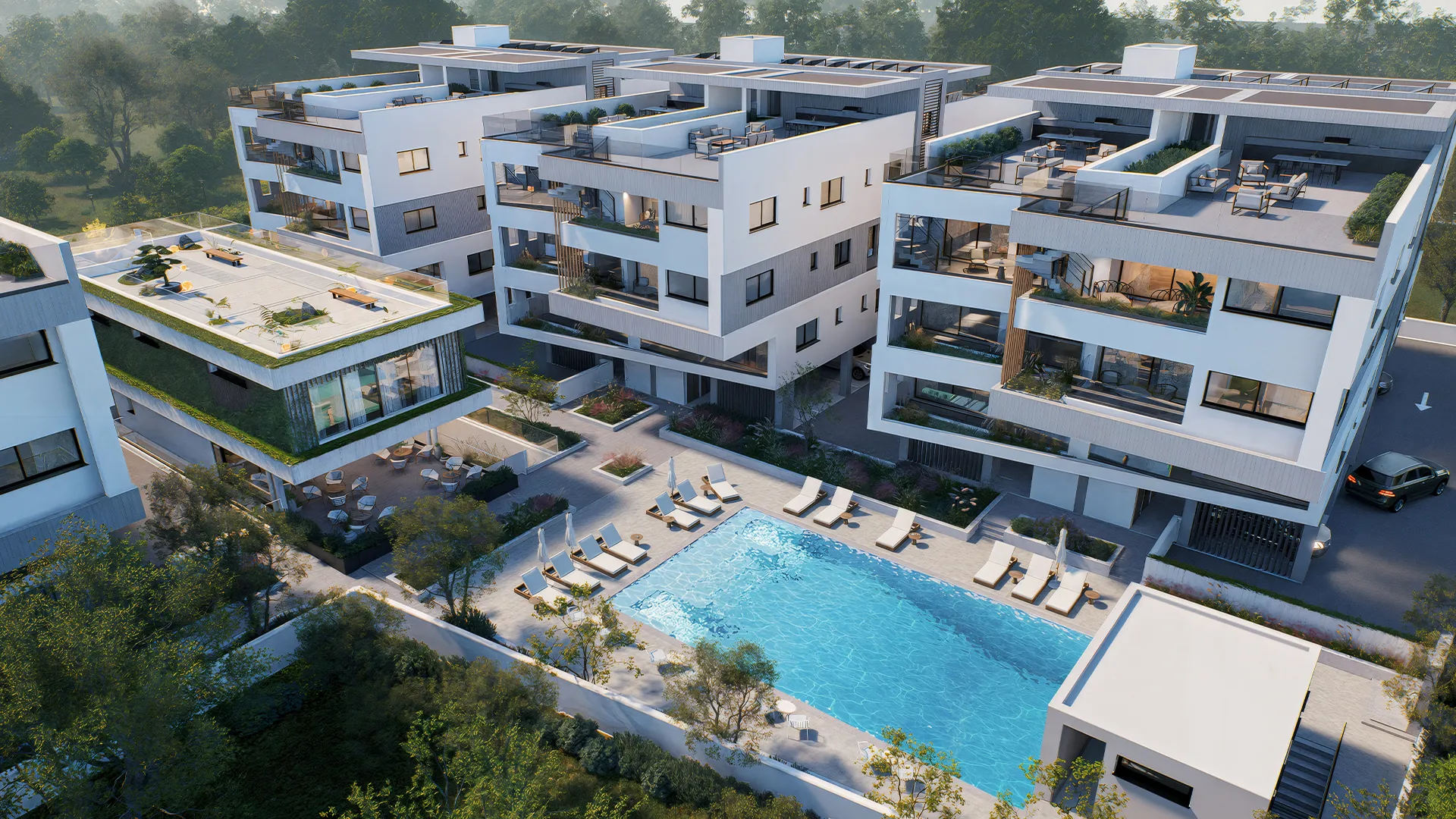
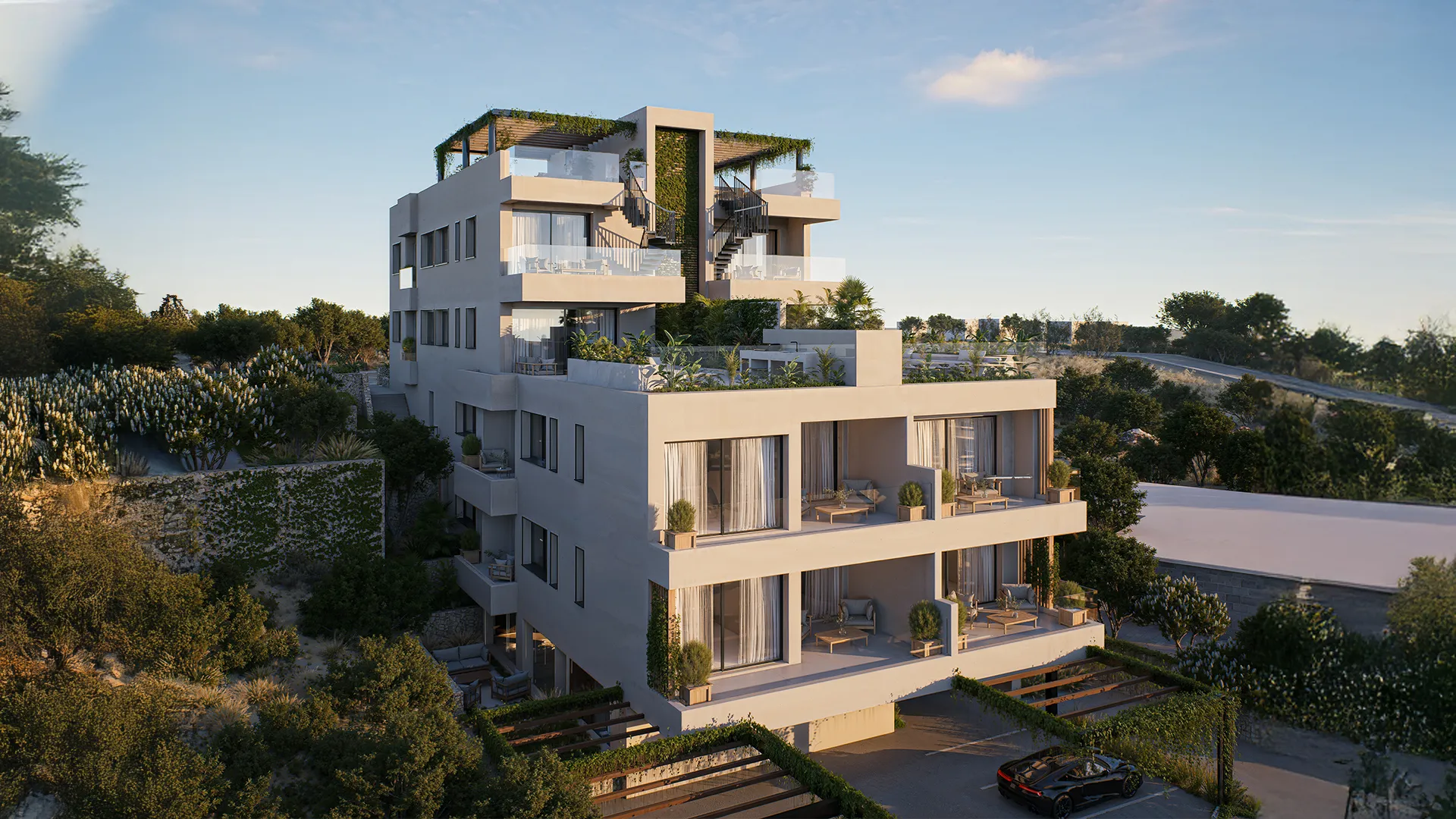
Apartment prices in Cyprus differ significantly between Paphos, Limassol, and Larnaca due to variations in economic activity, population growth, and buyer demand. Limassol typically reflects higher price levels driven by its role as the country’s main business and financial centre, while Paphos and Larnaca present more moderate pricing shaped by tourism, lifestyle demand, and infrastructure development. Comparing these three markets provides a clear view of how location-specific fundamentals influence apartment values across Cyprus.
Apartment pricing patterns across Paphos, Limassol, and Larnaca show clear structural differences tied to supply constraints and economic concentration. Limassol consistently records the highest average apartment prices, supported by limited coastal land availability, strong foreign demand, and a concentration of high-income employment in finance, shipping, and technology. New developments in the city are often positioned in the mid-to-upper price ranges, which sustains upward pressure on averages even during periods of slower transaction volume.
Paphos generally reflects lower entry prices, with a market shaped by lifestyle buyers, retirees, and investors focused on short- and mid-term rentals. Pricing in Paphos tends to be more sensitive to tourism cycles and new project supply, creating a wider spread between standard and premium developments. Larnaca occupies an intermediate position, combining relatively affordable pricing with expanding infrastructure, which has contributed to gradual price convergence toward Limassol levels without matching its peak valuations.
According to data published by the Central Bank of Cyprus, residential property price indices consistently show Limassol leading in apartment price growth, while Paphos and Larnaca follow with lower absolute values and more moderate growth rates reflecting their distinct demand structures and buyer profiles.
Limassol apartment pricing dynamics
Limassol records the highest apartment prices among the three cities, driven by sustained demand from international professionals, corporate relocations, and limited availability of new coastal land. Price levels are further supported by higher average household incomes and a concentration of premium developments, which elevate market averages even when transaction volumes fluctuate. As a result, entry costs are higher, but price stability has historically been stronger during market corrections.
Paphos apartment pricing dynamics
Paphos offers comparatively lower apartment prices, reflecting a market shaped by lifestyle-driven demand, tourism-related investment, and a broader supply of new developments. Pricing varies significantly depending on proximity to the coastline and project specifications, creating opportunities for investors seeking lower capital entry points. While growth rates are generally more moderate, the market allows for flexibility between personal use and rental-oriented strategies.
Larnaca apartment pricing dynamics
Larnaca positions itself between Limassol and Paphos in terms of apartment pricing, combining relative affordability with improving urban infrastructure. Ongoing development around the city centre and transport corridors has contributed to steady upward price adjustments without the sharp premium observed in Limassol. This balance has attracted investors looking for gradual appreciation supported by local demand rather than reliance on high-end international buyers.
When comparing apartment prices across Paphos, Limassol, and Larnaca, pricing differences should be evaluated alongside income levels, rental demand depth, and long-term supply constraints. Higher prices in Limassol are closely tied to economic concentration and limited land availability, while lower entry points in Paphos reflect a more tourism-oriented market structure. Larnaca’s positioning benefits from infrastructure investment that supports gradual price adjustment rather than rapid escalation. Investors should also account for liquidity, resale timelines, and sensitivity to external demand when assessing relative value between these locations.
An international investor comparing a newly built two-bedroom apartment may find higher acquisition costs in Limassol offset by stronger rental demand from year-round professionals, while a similar unit in Paphos or Larnaca may offer lower entry pricing with returns more closely linked to seasonal or locally driven demand.
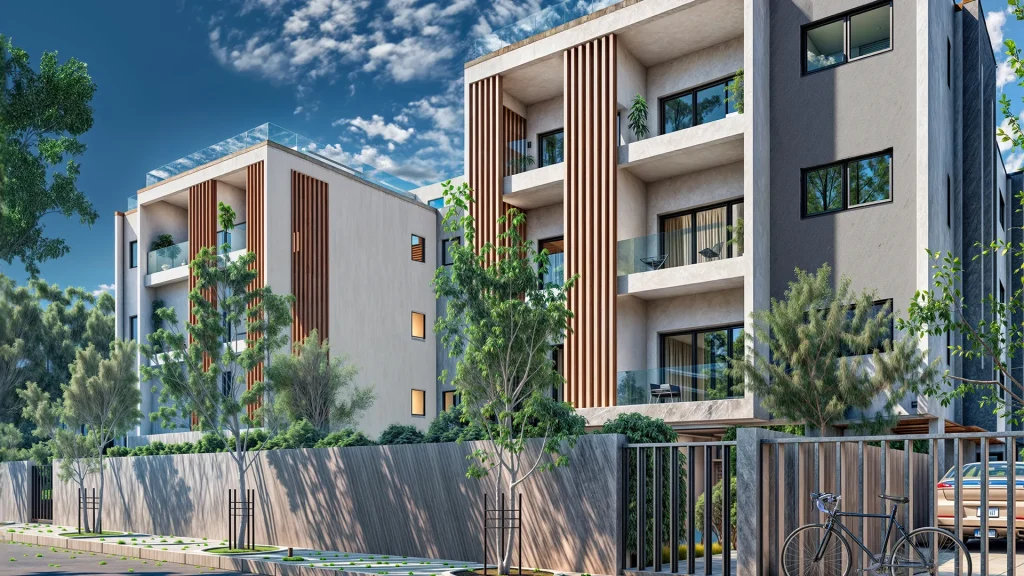
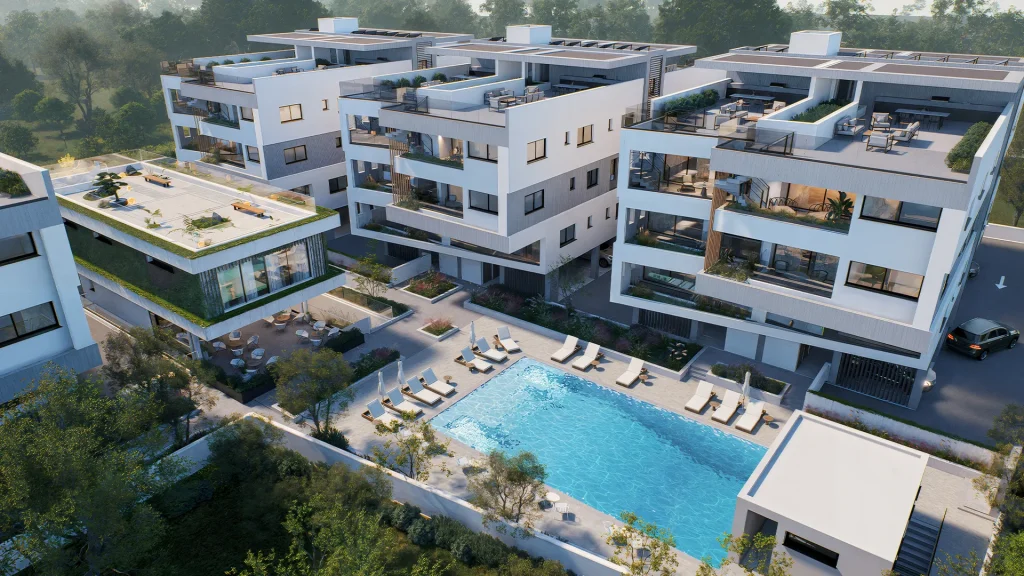
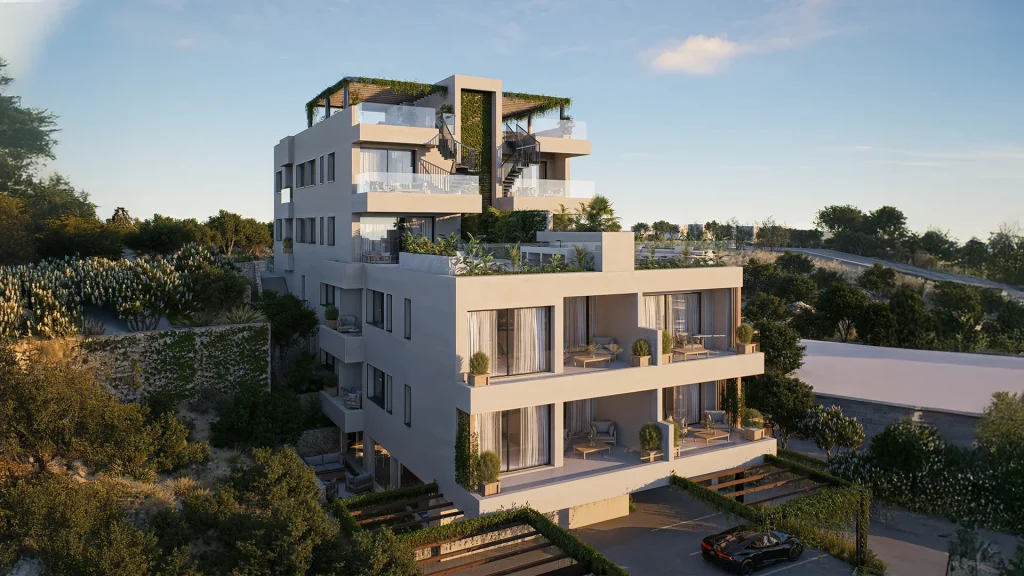
Luma Developers operates in the Paphos residential market, focusing on apartment projects designed for both international buyers and long-term use. Its portfolio reflects pricing and design characteristics typical of Paphos, where value positioning and lifestyle-oriented demand play a central role.

FAQ
What explains the higher apartment prices in Limassol compared to Paphos and Larnaca?
Limassol’s higher prices are driven by stronger economic concentration, higher income levels, and limited availability of prime residential land.
Are apartments in Paphos generally cheaper than in Larnaca?
On average, apartment prices in Paphos tend to be slightly lower, although premium coastal developments can narrow the gap.
Does Larnaca offer lower investment risk due to its pricing position?
Larnaca’s mid-range pricing can reduce entry risk, but returns are more closely tied to local economic growth and infrastructure delivery.
Is price growth more stable in Limassol than in other cities?
Historically, Limassol has shown greater price resilience due to sustained demand from international and professional buyers.