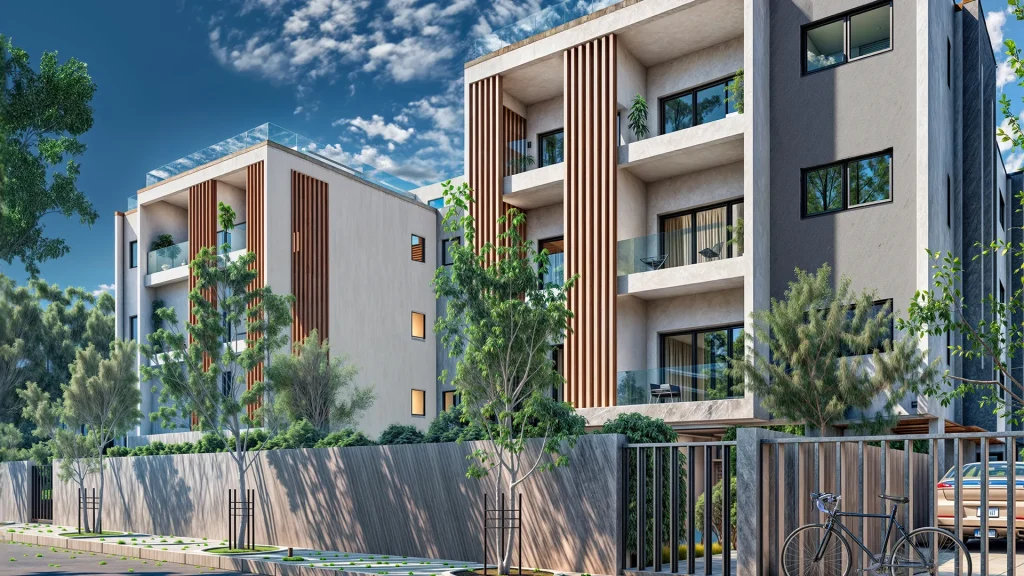
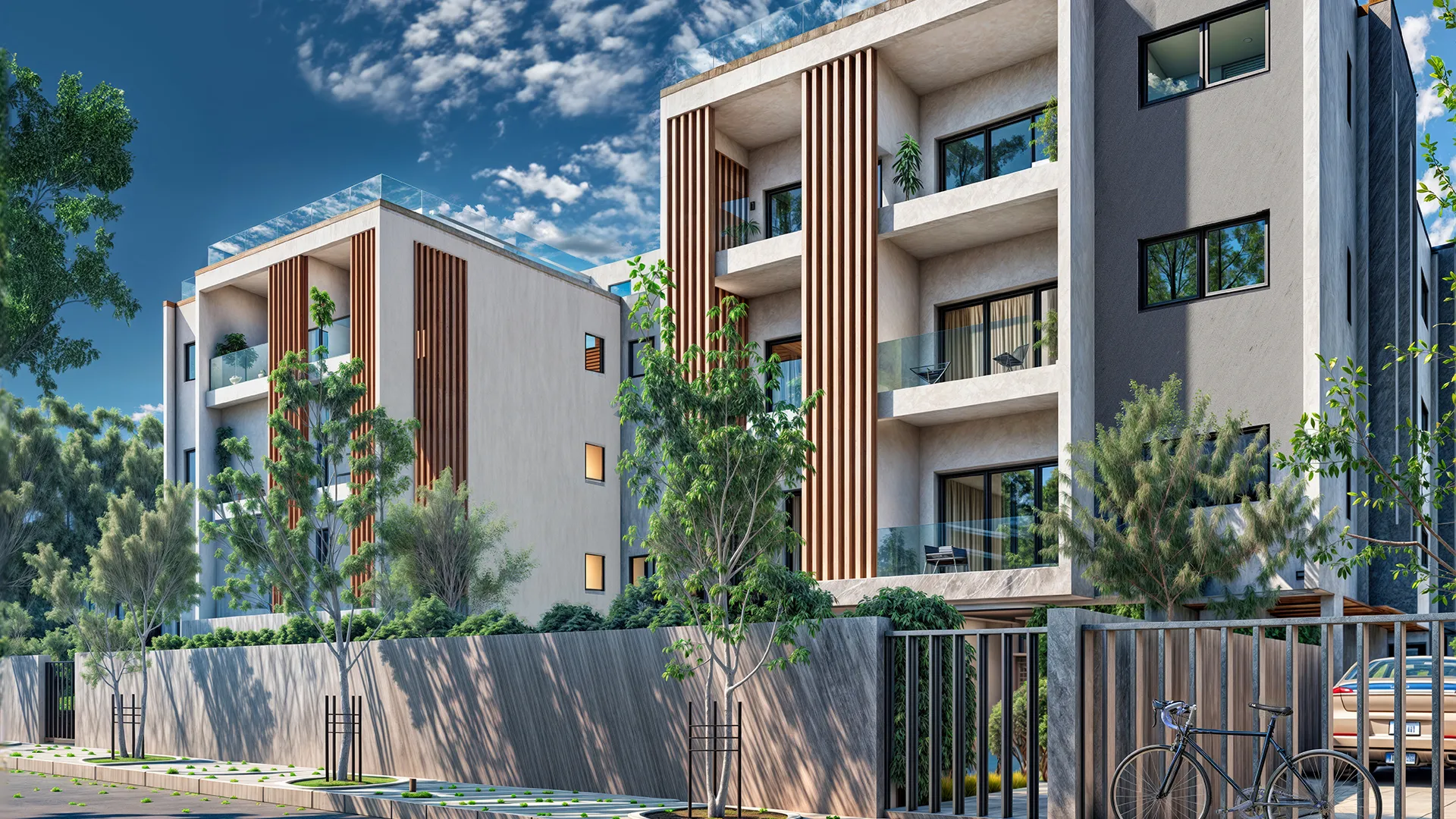


Buying a newly built property in Cyprus for €300,000, excluding VAT, still grants permanent residency in 2026, provided the full amount is paid and documented before the application is submitted, and the property comes from a licensed developer. The threshold itself has not moved; what has tightened is how closely applications get checked.
This route works as a fixed legal pathway, not a discretionary favour: meet the property, payment, and income conditions, and residency follows as a matter of process rather than negotiation. Resale homes and land don’t qualify, only new-build units bought directly from a developer.
For the wider eligibility picture, including timelines and paperwork, see Luma’s complete permanent residency guide for Cyprus.
Programme Structure and Current Application Practice
Under Regulation 6(2), the €300,000 figure applies only to newly built residential property bought directly from a licensed developer, calculated net of VAT. The threshold itself hasn’t shifted, but successive amendments to the programme have made the paperwork stricter: payment timing, property classification and the origin of funds all get checked more closely than they used to, with full payment expected to be documented ahead of submission rather than staged afterward.
The Migration Department’s own criteria for granting an Immigration Permit to investors confirm that residency under Regulation 6(2) stays open to third-country nationals who meet this €300,000 investment and satisfy the accompanying financial and compliance conditions.
Investment Threshold and Property Criteria
The €300,000 threshold only counts newly built residential property sold directly by a licensed developer, priced net of VAT. Resale apartments, land, and off-plan units bought from a private seller rather than a developer are excluded, regardless of value. A new two-bedroom apartment listed at €320,000 net of VAT would qualify; the same unit resold by its first owner a year after the title deed is issued would not, even at an identical price.
Buyers should budget beyond the purchase price too. Additional costs on top of the purchase price in Cyprus, including transfer fees, VAT and legal charges, can add a meaningful amount on top of the €300,000 figure.
Payment Structure and Capital Transfer
Payment has to be substantially complete, not partial, before the application is filed. Migration Department criteria call for payment receipts covering the full €300,000, excluding VAT, deposited into the seller’s account at a Cyprus financial institution ahead of submission. Every euro used for the purchase must be shown to have come from outside Cyprus, whether by international transfer, foreign card payment records, or a bank certificate, and none of it can trace back to a loan taken out inside Cyprus.
VAT itself sits outside this €300,000 figure and follows its own payment terms with the developer. Buyers who will use the property as their genuine primary and permanent residence may qualify for a reduced 5% VAT rate on the first 130 m² of buildable area, provided the property’s value doesn’t exceed €350,000 and the total transaction doesn’t exceed €475,000, with the standard 19% rate applying above those caps. This relief does not extend to units bought for rental or investment purposes, and it has no bearing on the €300,000 threshold itself.
Ongoing Eligibility Conditions
Ongoing eligibility rests on income, not just the property. Per the Migration Department’s income criteria for investors, the main applicant needs a secure annual income of at least €50,000 from outside Cyprus, with €15,000 added for a spouse and €10,000 for each dependent child included on the same application. This income has to be demonstrated when applying and maintained afterward, since the residency stays conditional on continued ownership of the qualifying property and ongoing compliance with the programme’s financial criteria.
Permanent residency under this route does not grant the right to work in Cyprus, for the main applicant or for any dependants included on the application.
Key Considerations
The €300,000 figure is only part of the picture. Approval turns on procedural adherence, not headline price: how VAT is treated, whether payments land in the right order, and whether income can be verified all shape the outcome as much as the investment amount itself. Ownership matters after approval too. Selling the qualifying property, even years later, can put residency status at risk, so long-term plans should factor that in from the start.
Put together, the requirements form a short checklist: a newly built property from a licensed developer, priced at €300,000 net of VAT, full payment receipts in place before the application, and income of at least €50,000 verified from outside Cyprus. Meeting all four generally clears the core eligibility bar.
If you’re unsure whether your planned budget meets the threshold, how much you need to invest for permanent residency breaks down the exact requirements.
Frequently Asked Questions (FAQ)
Does a €300,000 property still qualify for permanent residency in Cyprus? Yes. The property has to be newly built, bought directly from a licensed developer, and every financial and procedural requirement has to be met in full.
Is the €300,000 threshold calculated including VAT? No. The €300,000 figure is assessed net of VAT.
Do resale properties count toward the €300,000 investment? No. Only newly built residential property purchased directly from a developer qualifies under this route.
Can permanent residency holders work in Cyprus? No. This residency status does not carry the right to employment in Cyprus.
Can a spouse or children be included in the same application? Yes. A spouse and dependent children can be added, provided the household meets the additional income requirements set for each dependant on top of the main applicant’s threshold.
How long does the application take to process? According to the Migration Department’s own criteria, the estimated examination period is approximately two months from a complete submission.
This article is for general information only and does not constitute legal or immigration advice. Requirements can change; confirm current criteria with the Migration Department or a licensed immigration advisor before making a purchase decision.