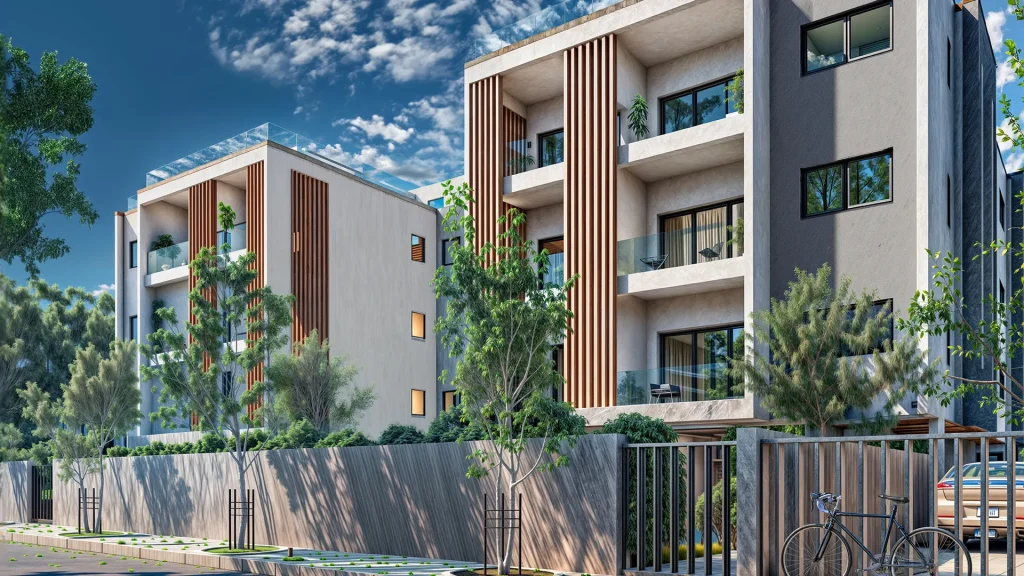
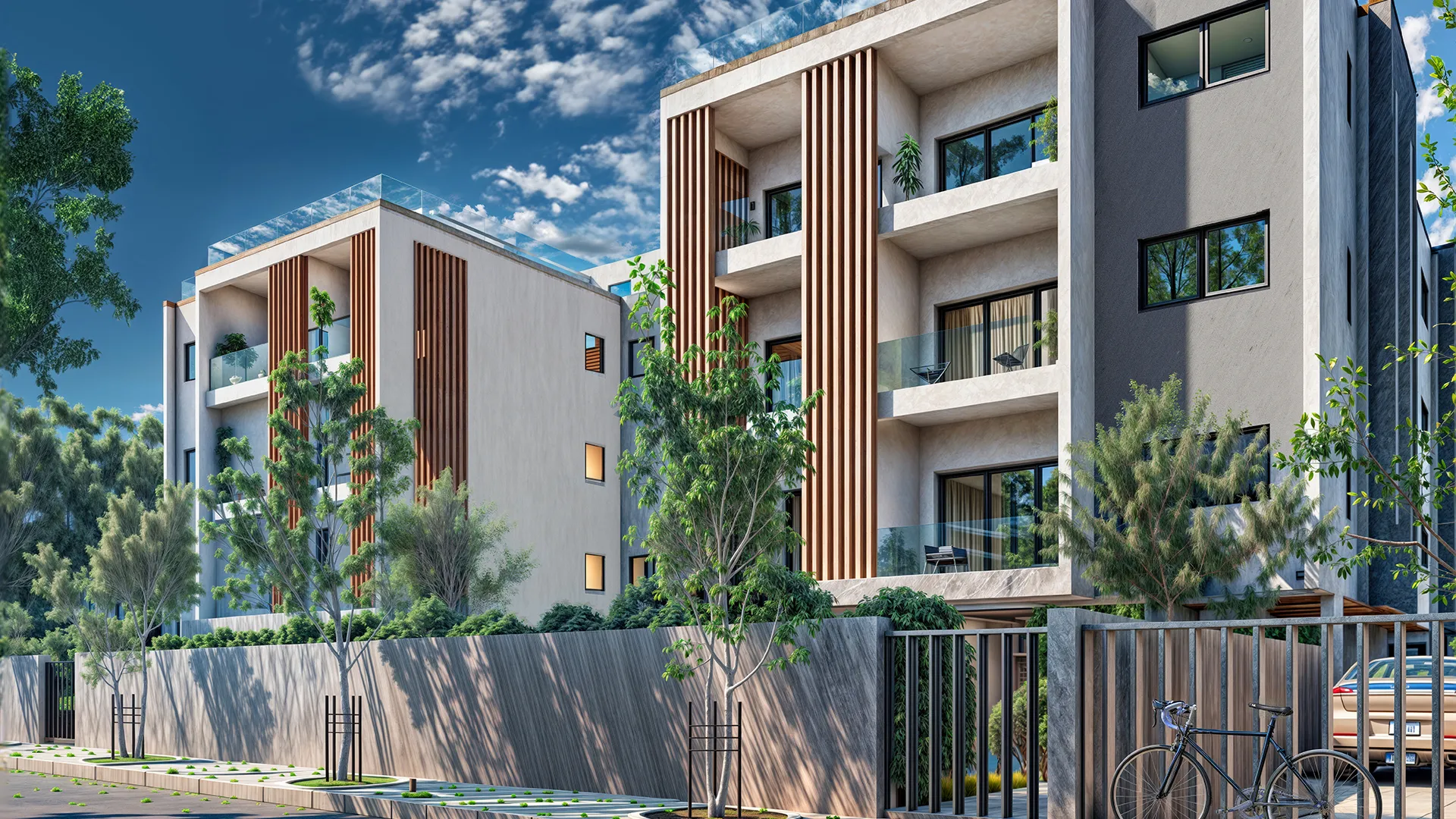


Foreigners can buy property in Cyprus. EU citizens buy on the same terms as Cypriots. Non-EU nationals first need a permit from the District Administration, which covers up to two homes or one building plot. Buying a resale home with title deeds usually takes one to three months. The main purchase tax is VAT on a new build or transfer fees on a resale.
Two rules changed for buyers in 2026. Stamp duty no longer applies from 1 January 2026, after the Stamp Duty Laws were repealed by Law 239(I)/2025, as confirmed by the Registrar of Companies. The VAT definition of a new building was also revised from 1 September 2026. This guide to buying property in Cyprus covers who can buy, the buying process step by step, what the purchase costs, where to look and which risks to check. The first check comes before any money moves: the status of the title deeds in Cyprus.
Why Cyprus Is a Property Hotspot in 2026
Sunny Lifestyle & Strategic Location
Cyprus has a Mediterranean climate with around 300 days of sunshine a year, so outdoor living is part of everyday life for most of the year. The island is a member of the European Union and uses the euro, which gives buyers from Europe a familiar legal framework and no currency risk. Flights from Larnaca and Paphos airports connect it with Europe, the Middle East and the Gulf.
High Foreign Buyer Activity
International buyers account for a large share of the market. Between January and September 2026, 41.9% of all contracts of sale in Cyprus were signed by foreign buyers: 4,173 by non-EU citizens and 2,094 by EU citizens. The figures come from Department of Lands and Surveys data as analysed by BuySell and reported by Cyprus Mail. Total sales over the same nine months reached 14,969, around 14% more than a year earlier.
Attractive Golden Visa Program
A non-EU buyer who spends at least €300,000 plus VAT on a new home bought directly from a developer can apply for permanent residence. The applicant must also show a secure annual income from abroad of at least €50,000, according to the Civil Registry and Migration Department. Permanent residence does not lead to citizenship automatically. Naturalisation is a separate process with its own residence and language requirements. The full criteria are explained in the Cyprus Permanent Residency program guide.
Rising Prices & Steady Rental Yield
Residential prices in Cyprus rose 7.5% year on year in the first quarter of 2026, according to the Central Bank of Cyprus. Apartments led with 10.8%, against 3.0% for houses. Apartments earned an average gross rental yield of 5.51% in the second quarter of 2026, according to the RICS Cyprus Property Index with KPMG. That figure is before costs and tax.
Types of Properties for Sale in Cyprus
The Cypriot market covers everything from city apartments to sea-view villas, in new developments and in older resale stock. The right type depends on whether the property is meant as a main home, a holiday base or an investment for rent.
Apartments, Villas, and Luxury Condos
- Apartments are found in both cities and coastal towns and are the most common choice for rental investment and low-maintenance living. Median prices for new apartments sold off-plan in the first half of 2026 were €302,500 in Paphos, €297,600 in Limassol, €184,000 in Larnaca and €175,000 in Nicosia, according to Landbank Analytics as reported by Cyprus Business Now.
- Villas are concentrated around Paphos and the coast, often in gated developments with private pools, and are bought both as permanent homes and as holiday lets. Prices vary more than for any other type, depending on plot size, sea view and distance to the coast.
- Luxury condos in Limassol and, increasingly, Paphos combine high-rise living with communal pools, gyms and concierge services. They appeal to international investors focused on rental income and resale value.
A district-by-district comparison of what apartments cost per square metre is available in the analysis of apartment prices in Paphos, Limassol and Larnaca.
New Builds vs. Resale Properties
- New builds: new-build property in Cyprus, from city apartment blocks to coastal property developments, is built to current energy-efficiency and anti-seismic standards. A home sold before its first occupation carries VAT at 19%, or at a reduced 5% when the buyer uses it as a primary residence and the size and value limits are met. The certificate for the reduced rate is requested through the Tax Department’s Tax For All service. How the two rates work in practice is explained in how much VAT is charged on new apartments in Cyprus.
- Resale properties: older homes in towns and villages can offer more space or character for the price, but may need renovation and closer checks on title deeds and building permits. A resale home is normally sold without VAT, so the buyer pays Land Registry transfer fees instead.
Urban vs. Coastal Real Estate Options
- Urban: Nicosia, the capital, is driven by local demand from professionals, students and civil servants. It suits buyers looking for long-term tenants and steady, lower-volatility growth.
- Coastal: Paphos, Limassol, Larnaca and Protaras attract holiday-let demand, which peaks in the summer season. Paphos combines that demand with international schools, an airport and a slower pace of life, which makes it popular with families and retirees.
Who Can Buy Property in Cyprus? (EU & Non-EU Buyers)
Cyprus is open to foreign buyers. EU and non-EU nationals can both own property on the island. What differs is the approval needed before the transfer and how much can be bought.
EU Citizens – Fewer Restrictions, Easier Approval
Citizens of EU member states buy on the same terms as Cypriots. They need no prior permission and face no limit on the number of properties, whether residential, commercial or held for investment. As with any purchase, the contract of sale and the transfer are registered with the District Land Office of the Department of Lands and Surveys.
Non-EU Citizens – Legal But With Conditions
Non-EU nationals, and companies they control, need a permit from the District Administration where the property is located, under the Acquisition of Immovable Property (Aliens) Law, Chapter 109. According to the Ministry of Interior, the permit covers either:
- a plot of up to 4,000 m² for building a home for the buyer’s own use, or
- up to two units, which can be two homes, or one home together with a shop of up to 100 m² or an office of up to 250 m².
For a married couple, the limit applies jointly. The application is free and usually takes two to three weeks. British buyers have been treated as non-EU nationals since Brexit and follow the same procedure.
These rules may tighten. In 2026 the government was preparing an updated law for non-EU buyers, with proposals that include restricted areas and closer control of purchases made through companies. The measures were still in draft at the time of writing, so non-EU buyers should check the current position with their lawyer before signing.
Residency Through Property Investment (Permanent Residency)
A non-EU buyer can apply for permanent residence through a property purchase if they:
- buy up to two new homes directly from a developer (first sale only, not resale) worth at least €300,000 plus VAT in total,
- show a secure annual income from abroad of at least €50,000, plus €15,000 for a spouse and €10,000 for each dependent child under 18,
- transfer the purchase funds from a bank account abroad.
The full list of conditions is published by the Civil Registry and Migration Department. The amount needed and how it is calculated are covered in how much you need to invest to get permanent residency in Cyprus. Other routes for non-EU nationals are compared in residency in Cyprus for non-EU citizens. For investors focused on returns rather than residence, the Cyprus property investment guide by region covers yields and price growth in each district.
Can You Get Citizenship?
Not through a property purchase alone. Cyprus closed its citizenship-by-investment scheme in 2020. A permanent resident can apply for citizenship by naturalisation, which is a separate process with its own requirements for the length of legal residence and knowledge of Greek. Holding permanent residence is a step towards citizenship, not a guarantee of it.
Step-by-Step: The Buying Process in Cyprus
Buying property in Cyprus follows the same five stages for most buyers, whether they are investing, retiring or relocating with a family. The process is straightforward when an independent lawyer handles the checks and the registration.
Step 1 – Find the Right Property
Most buyers start with a licensed estate agent, a developer or a property portal such as Bazaraki or BuySell Cyprus. In Paphos, demand for both new developments and resale homes is concentrated in areas such as Kato Paphos, Geroskipou and Chloraka. Developers such as Luma offer site visits, 3D walkthroughs and plans for units still under construction.
Step 2 – Appoint an Independent Lawyer
The buyer’s lawyer should be registered with the Cyprus Bar Association and independent of both the seller and the developer. The lawyer:
- searches the Land Registry for the title deed and its status,
- confirms the property is free of mortgages and other encumbrances,
- checks the planning and building permits,
- drafts or reviews the contract of sale,
- deposits the contract and later registers the transfer with the District Land Office.
Title deed delays are a known issue in Cyprus, so the lawyer should confirm whether a separate title deed has already been issued or is still pending. The process is explained in title deeds in Cyprus.
Step 3 – Sign the Sales Agreement
Once the checks are complete, the buyer and seller sign the contract of sale. A reservation deposit of €5,000 to €10,000 usually secures the property before signing. On a new build, the remaining price is then paid in stages linked to construction progress.
The signed contract should be deposited with the Department of Lands and Surveys within six months of signing. Deposit protects the buyer under the Specific Performance Law 81(I)/2011: no other contract for the same unit can be deposited, and the buyer can ask a court to order the transfer if the seller does not perform. A contract deposited late means transfer fees 10% higher at the time of transfer, according to the Department of Lands and Surveys.
Step 4 – Land Registry & Payment
The balance is paid in full or in instalments, as the contract sets out. At completion:
- the transfer is registered at the District Land Office,
- transfer fees are paid, if the sale was not subject to VAT,
- the title deed is issued in the buyer’s name, if it already exists.
For off-plan and recently completed homes, a separate title deed may only be issued months or years after completion. Until then, the deposited contract of sale protects the buyer’s claim to the property.
Step 5 – Move In & Register Utilities
After the final payment, the buyer receives the keys. The lawyer or agent usually helps with:
- electricity, water and municipal registration,
- waste collection and any communal fees for the building,
- a residence application, where it applies.
Can You Buy Without Visiting Cyprus?
Yes. Many foreign buyers complete the whole purchase from abroad. After video viewings or a virtual tour, the buyer signs a power of attorney that allows their Cypriot lawyer to sign the contract and handle the registration on their behalf. A power of attorney signed outside Cyprus must be certified by a notary and carry an apostille, or be signed at a Cypriot consulate. The purchase funds are then sent from the buyer’s bank account abroad, which non-EU buyers also need for the District Administration permit and for a permanent residence application.
How Much Does It Cost to Buy Property in Cyprus in 2026?
On top of the purchase price, most buyers pay one main tax. A new build carries VAT, while a resale home carries Land Registry transfer fees instead. Legal fees apply in both cases, and a mortgage adds its own registration cost. Stamp duty, which used to add up to €20,000, no longer applies to documents signed from 1 January 2026.
| Cost | Applies to | Rate in 2026 |
|---|---|---|
| VAT | New homes sold before their first occupation | 19% standard. 5% for a primary residence on the first 130 m², if the home is no larger than 190 m², worth up to €350,000 and the total transaction does not exceed €475,000 |
| Transfer fees | Resale homes sold without VAT | 3% up to €85,000, 5% from €85,001 to €170,000, 8% above €170,000, reduced by 50%. Not charged where VAT applies |
| Stamp duty | All contracts | Abolished from 1 January 2026 |
| Legal fees | All purchases | Agreed with the lawyer, as a fixed fee or a percentage of the price, plus VAT |
| Mortgage registration | Purchases with a bank loan | Fee charged by the Land Registry on the registered loan amount |
| Ongoing costs | All owners | Communal fees in shared developments and local authority charges. Cyprus has had no annual immovable property tax since 2017 |
Transfer fee rules: Department of Lands and Surveys transfer fee service. Reduced VAT certificate: Tax Department, Tax For All service.
A full list of side costs, from valuation to utility connections, is set out in the additional costs to expect when buying property in Cyprus. Charges specific to non-resident buyers are covered in what fees foreign buyers pay when purchasing property in Cyprus.
What Changed for Buyers in 2026?
- Stamp duty repealed. The Stamp Duty Laws were abolished by Law 239(I)/2025 from 1 January 2026. Contracts signed before that date may still fall under the old rules.
- New definition of a “new” building for VAT. From 1 September 2026, VAT applies to a building sold before its first occupation, meaning before at least 18 months of systematic use. The rates themselves did not change.
- Transitional 5% VAT scheme. Buyers in some projects with a planning application filed by 31 October 2023 can still use the older, more generous 5% rules, with deadlines running to 31 December 2026 under Law 109(I)/2026.
The wider tax changes are summarised in the Cyprus tax reform 2026 and what it means for property investors.
How These Costs Play Out in Real Life (2026 Examples)
Example 1: resale home for €300,000
| Band | Rate | Fee |
|---|---|---|
| First €85,000 | 3% | €2,550 |
| €85,001 to €170,000 | 5% | €4,250 |
| Remaining €130,000 | 8% | €10,400 |
| Total before reduction | €17,200 | |
| Transfer fees after 50% reduction | €8,600 |
No VAT and no stamp duty apply. Legal fees come on top.
Example 2: new apartment for €300,000, 100 m², bought as a primary residence
- At the reduced rate of 5%, VAT is €15,000.
- At the standard rate of 19%, for example for a buy-to-let or holiday home, VAT is €57,000.
No transfer fees and no stamp duty apply. The difference of €42,000 shows why eligibility for the reduced rate should be confirmed before signing.
Key Notes for 2026 Buyers
- VAT applies to new homes, transfer fees to resale homes. A buyer does not pay both on the same purchase.
- The reduced 5% rate requires an application to the Tax Department. If the home stops being the buyer’s main residence within ten years, the Tax Commissioner must be told within 30 days and part of the VAT saving may become payable.
- For a new build, VAT is the cost to plan around. For a resale home, it is transfer fees.
- A lawyer should confirm the exact amounts for the specific property before signing.
Mortgage and Financing Options in Cyprus
Many buyers in Cyprus pay in cash, but mortgages are available to foreign buyers, including non-residents who want to keep part of their capital free. Lending terms depend on the bank, the buyer’s residency and income, and the type of property.
Can Foreigners Get a Mortgage in Cyprus?
Yes. Both EU and non-EU citizens can apply for a mortgage with a Cypriot bank. The process is usually simpler for EU nationals and for buyers who already live and earn in Cyprus. Non-residents face stricter affordability checks and longer approval times.
Mortgage Conditions in 2026
- Loan-to-value: non-resident borrowers can typically expect financing of roughly 50% to 70% of the property value, depending on their financial profile and the property.
- Interest rates: most loans carry a variable rate linked to European Central Bank benchmarks plus the bank’s margin.
- Currency: loans are issued in euros and secured against the property.
- Property type: a completed home with a title deed and full planning compliance is easier to finance than an off-plan unit.
Required Documentation
A Cypriot bank will usually ask for:
- a valid passport or national ID,
- proof of income, such as salary slips or tax returns,
- bank statements, usually covering the last six to twelve months,
- details of existing debts outside Cyprus,
- a valuation report on the property,
- the contract of sale or reservation agreement,
- evidence of the buyer’s own contribution and its source.
Some banks also require a local bank account to be opened for the repayments.
Financing Through the Developer
For new builds, developers commonly spread the price over a staged payment plan linked to construction progress. The buyer pays a reservation deposit, a share of the price when the contract is signed, and further instalments as the building reaches each stage, with the balance due at completion. This is a payment schedule, not a loan, so it suits buyers who have the funds but prefer to pay over the construction period.
Considerations for Non-EU Buyers
- Repayments are in euros, so a buyer earning in another currency carries exchange-rate risk.
- A larger personal contribution is usually required than for residents.
- Approval can take several weeks, so the application should start well before the contract is due to be signed.
A detailed look at what banks require from non-resident borrowers is available in is financing available for foreign buyers in Cyprus.
Best Locations to Buy Property in Cyprus
Each district of Cyprus suits a different kind of buyer, and prices and growth now vary widely between them. The right location depends on whether the goal is rental income, a retirement home or a base for a family.
Paphos – Lifestyle, Heritage, and Strong Demand
Paphos combines beaches, a UNESCO-listed archaeological heritage and its own international airport, which makes it one of the most popular districts with foreign buyers.
- Buyer profile: foreign investors, retirees and relocating families
- Median new apartment: €302,500 (off-plan, first half of 2026), the highest of the four main districts
- Apartment price growth: 6.4% year on year in the first quarter of 2026
- Strengths: holiday-let demand, international schools, private healthcare and new residential developments
- Why it stands out: lifestyle and rental demand in one market, with a strong premium segment
The strongest areas within the district are compared in the best neighbourhoods in Paphos for property investment.
Limassol – The Investment and Business Hub
Limassol is the island’s business centre, home to its shipping, fund and technology sectors, with high-rise seafront developments and a cosmopolitan lifestyle.
- Buyer profile: high-net-worth investors, professionals and expats working in the city
- Median new apartment: €297,600, with seafront units priced well above that
- Apartment price growth: 10.7%
- Strengths: year-round rental demand from professionals and the largest share of off-plan sales value in Cyprus
- Why it stands out: suited to premium investments and long-term corporate lets
Larnaca – Affordability Meets Growth
Larnaca offers a lower entry price than Limassol and Paphos, next to the island’s main international airport.
- Buyer profile: budget-conscious buyers and investors
- Median new apartment: €184,000
- Apartment price growth: 11.7%, the fastest of the five districts
- Strengths: marina and port redevelopment, growing rental demand
- Why it stands out: affordable prices with strong recent growth
Nicosia – The Capital and Local Market
As the capital, Nicosia is driven by local demand rather than tourism and has no coastline.
- Buyer profile: local buyers, professionals and long-term residents
- Median new apartment: €175,000
- Apartment price growth: 3.0%
- Strengths: government, universities and business demand for long-term lets
- Why it stands out: steady demand with lower volatility than the coastal districts
| Location | Best for | Median new apartment (H1 2026) | Apartment price growth (Q1 2026) | Strengths |
|---|---|---|---|---|
| Paphos | Retirees, investors, families | €302,500 | +6.4% | Lifestyle and rental demand |
| Limassol | Professionals, premium investors | €297,600 | +10.7% | Business hub, luxury segment |
| Larnaca | Budget-conscious buyers | €184,000 | +11.7% | Growth at lower prices |
| Nicosia | Locals and professionals | €175,000 | +3.0% | Stable long-term demand |
Price growth: Central Bank of Cyprus Residential Property Price Index, 2026 Q1, apartments. Median prices: Landbank Analytics, off-plan sales in the first half of 2026.
How the districts compare as investments is covered in more depth in the best investment areas in Cyprus right now.
Risks & Red Flags to Avoid When Buying Property in Cyprus
The Cypriot market rewards careful buyers. Most problems can be avoided when the risks are known before signing.
Title Deed Delays
Late issuance of title deeds remains one of the best-known issues in Cyprus. Some buyers live in their homes for years without being able to transfer ownership, because paperwork is incomplete, the land is still mortgaged or the developer has not finished the process. A separate title deed can only be issued once the building has received its certificate of final approval, so a missing certificate is an early warning sign.
How to protect yourself:
- Ask whether the title deed has already been issued.
- Make sure your lawyer deposits the contract of sale at the Land Registry within the legal deadline.
- Avoid properties with unresolved legal or financial obligations.
Hidden Mortgages or Developer Debts
A property, particularly a new build, can still carry the developer’s mortgage. If the developer defaults, the bank may claim the property even after a buyer has paid for it.
- Ask your lawyer for a Land Registry search.
- Confirm there are no encumbrances before signing.
- Buy only from reputable developers who disclose the status of the land.
Off-Plan Purchase Risks
Buying before construction is finished can cost less, but it brings risks of delay, design changes or, in the worst case, the developer’s insolvency.
- Choose an established developer with a record of completed projects.
- Make sure payments are staged and tied to construction progress.
- Never pay the full price upfront.
Buying Property in Northern Cyprus
Ownership in the Turkish-occupied north remains legally complex. Many properties stand on land that belonged to Greek Cypriots displaced in 1974, which can lead to future claims, and titles issued in the north are not internationally recognised.
- For secure ownership, buy in the Republic of Cyprus, where property rights are registered and protected under EU law.
Lack of Independent Legal Advice
Relying on the developer’s or seller’s lawyer creates a conflict of interest, and the buyer may end up signing terms that favour the other side.
- Hire your own independent lawyer.
- Check that they are registered with the Cyprus Bar Association.
- Never sign a document you do not fully understand.
⚠️ Bottom line: buying property in Cyprus is safe when due diligence is done properly. Most problems start when buyers skip legal checks or rush a deal without independent advice.
Should You Buy Property in Cyprus as an Investment?
Cyprus works as an investment market as well as a lifestyle destination. Prices are rising, rents are rising faster, and international demand remains high, although results differ by district and property type.
Rental Income Potential
Apartments earned an average gross rental yield of 5.51% in the second quarter of 2026, according to the RICS Cyprus Property Index with KPMG. Holiday apartments reached 5.82%, while houses returned 3.01%. These are national averages before costs and tax, so the net return on a specific property will be lower.
- Long-term lets of a year or more bring steady demand from expats, professionals and students, with a more predictable monthly income.
- Holiday lets in Paphos, Limassol and the eastern resorts depend on the summer season and on occupancy. A property let to holidaymakers must be registered with the Deputy Ministry of Tourism before it is advertised.
Capital Appreciation Trends
- Residential prices rose 7.5% year on year in the first quarter of 2026, according to the Central Bank of Cyprus, with apartments up 10.8%.
- Growth is uneven: apartment prices rose 11.7% in Larnaca and 10.7% in Limassol, against 6.4% in Paphos and 3.0% in Nicosia.
- Infrastructure projects, airport traffic and tourism continue to support long-term values, particularly on the coast.
Tourism and Rental Demand
Cyprus welcomed more than 4.5 million tourists in 2025, a record year, according to the Statistical Service of Cyprus. That demand supports holiday rentals in Paphos, Protaras and Ayia Napa. Well-located apartments and villas near beaches and town centres benefit from high occupancy and higher rates during the summer months.
Exit Strategy and Resale Market
The Cypriot market remains liquid, with demand from both local and foreign buyers. Contracts of sale between January and September 2026 were around 14% higher than in the same period of 2025. Resale homes with title deeds in established areas sell most easily.
What helps at resale:
- A title deed already issued, which shortens the sale and supports the price.
- A location popular with international buyers, such as Paphos.
- A well-maintained property in a development with modern amenities.
⚡ Investment insight: in 2026, Cyprus offers rental yields above 5% on apartments and continued price growth, but the district and the type of property matter as much as the national trend. District-by-district figures are set out in the Cyprus property investment guide.

FAQs – Buying Property in Cyprus
Can foreigners buy property in Cyprus?
Yes. EU citizens buy on the same terms as Cypriots, with no prior approval and no limit on the number of properties. Non-EU citizens need a permit from the District Administration, which covers up to two units, such as two homes, or one plot of up to 4,000 m² for building a home for their own use.
How long does the buying process take?
For a resale home with a clear title deed, a purchase usually takes one to three months from reservation to transfer. For a new build, the timeline depends on the construction stage and on when separate title deeds are issued, which can take longer.
What is the minimum investment for permanent residency?
At least €300,000 plus VAT in new residential property bought directly from a developer. The applicant must also show a secure annual income from abroad of at least €50,000, plus €15,000 for a spouse and €10,000 for each dependent child. Further conditions apply under the Migration Department’s criteria.
Is property in Northern Cyprus safe to buy?
It carries legal and political risk. Many properties in the north stand on land that belonged to Greek Cypriots displaced in 1974, which can lead to future claims, and titles issued there are not internationally recognised. Most international buyers choose the Republic of Cyprus, where ownership is registered and protected under EU law.
What are the average property prices in Cyprus in 2026?
They vary by district. Median prices for new apartments sold off-plan in the first half of 2026 were about €302,500 in Paphos, €297,600 in Limassol, €184,000 in Larnaca and €175,000 in Nicosia, according to Landbank Analytics. Sea views, location and the quality of the development push individual prices up or down.
What taxes will I pay when buying property?
It depends on whether the home is new or resale. A new build carries VAT at 19%, or 5% for a qualifying primary residence on the first 130 m². A resale home carries Land Registry transfer fees of 3% to 8%, reduced by 50%. Stamp duty no longer applies from 1 January 2026, and Cyprus has had no annual immovable property tax since 2017.
What does due diligence include when buying in Cyprus?
An independent lawyer checks the title deed and its status at the Land Registry, confirms there are no mortgages or other debts on the property, and verifies the planning permit, the building permit and, for a completed building, the certificate of final approval. The lawyer also reviews the contract before signing.
Final Tips for Safe & Smart Buying
Buying property in Cyprus pays off when it is well prepared. These are the points that matter most before signing.
Work with Certified Professionals
- Hire an independent lawyer registered with the Cyprus Bar Association.
- Work with licensed estate agents and established developers with a proven record.
Verify Title Deeds Early
- Ask whether the property already has its own title deed or whether it is still pending.
- Request a Land Registry search before committing to anything.
Plan for All Costs
- Budget for VAT or transfer fees, legal fees and any mortgage costs on top of the price.
- Include running costs such as communal fees, utilities and maintenance.
Visit (or Virtually Tour) the Property
- See the property in person whenever possible.
- From abroad, ask for a video walkthrough or a virtual tour before signing.
Think Long-Term
- Decide whether the property is for your own use, for rental income or for resale.
- Choose an area with growth potential, such as Paphos, which combines lifestyle with steady demand.
⚡ Bottom line: with proper due diligence and professional advice, buying property in Cyprus in 2026 is both safe and financially rewarding.
This article is for general information only and does not constitute legal, tax or investment advice. Rules on VAT, property acquisition and residence permits change, so confirm the position with a qualified adviser before making a decision.