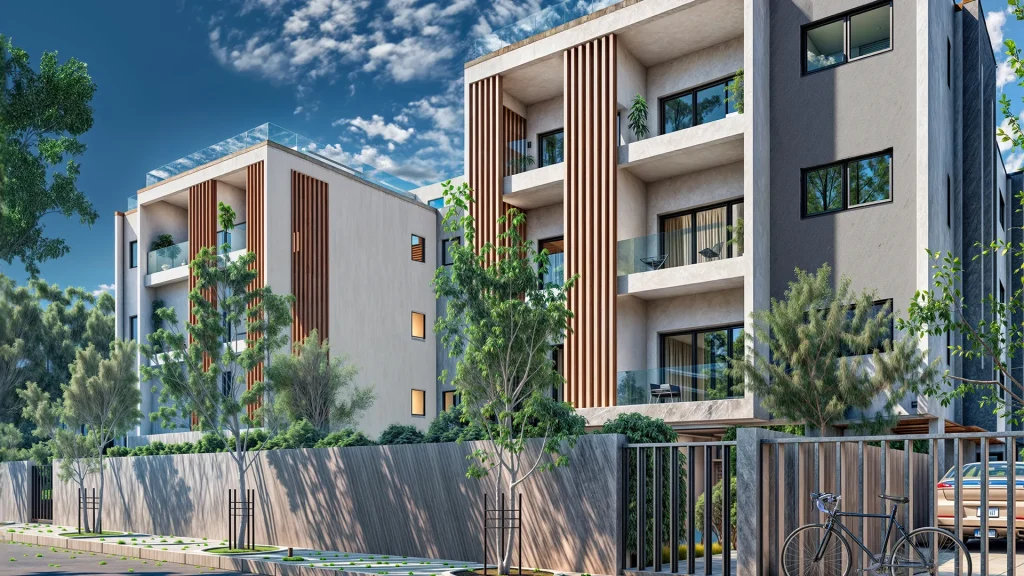
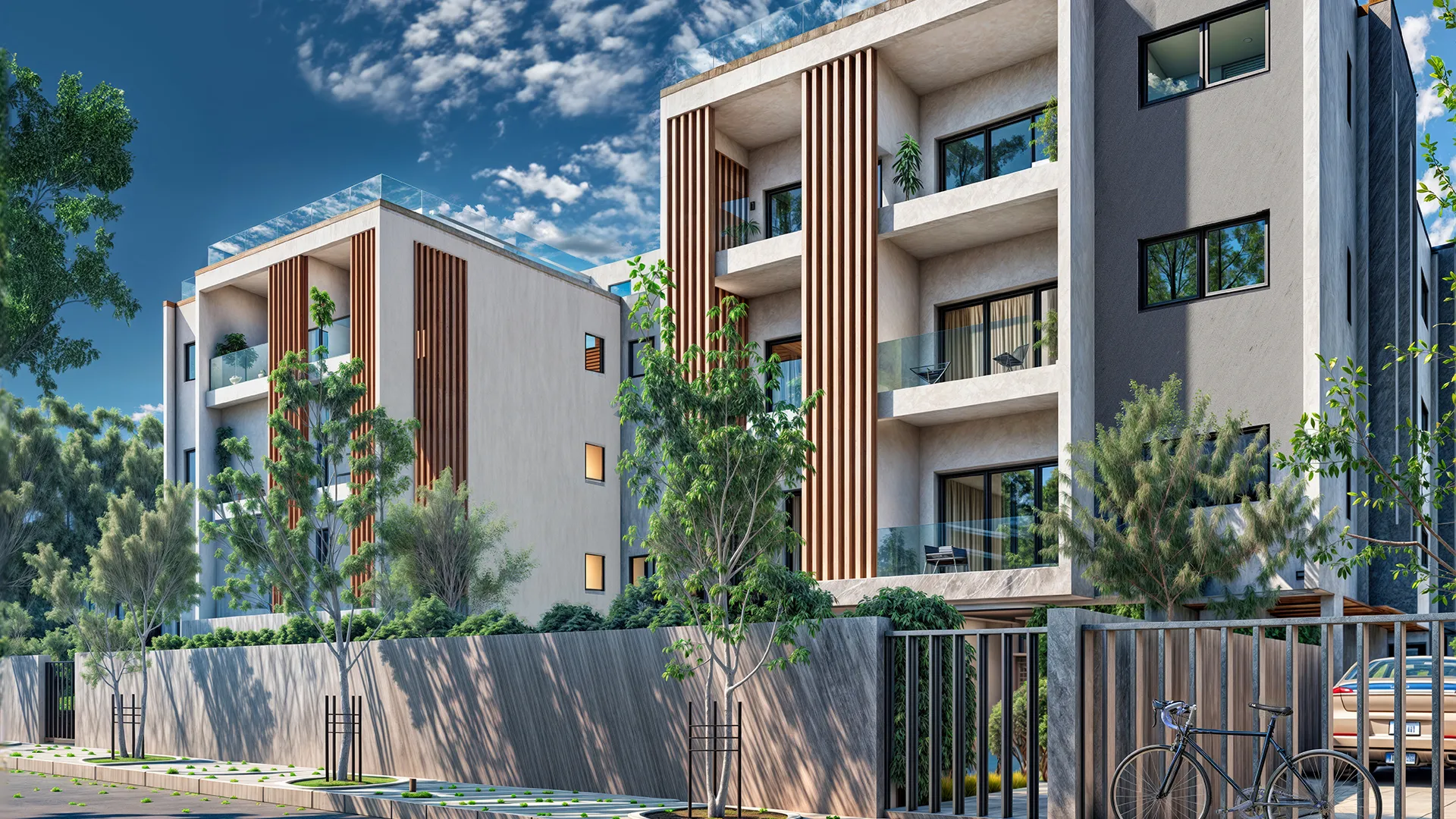


In Paphos in 2026, buying generally becomes more economical than renting when the property is held for several years and financed at reasonable cost, while renting remains preferable for shorter stays or when flexibility outweighs long-term value considerations.
The decision depends on comparative rent levels, purchase prices, financing conditions, and expected resale liquidity in the Paphos market, all of which shape the total cost of occupancy over time rather than the headline monthly payment alone.
Rental prices in Paphos have continued to rise faster than local wages due to limited new long-term supply and sustained demand from foreign residents, making multi-year renting increasingly expensive in cumulative terms. At the same time, purchase prices have grown more moderately than in other coastal Cypriot cities, which has kept entry yields and long-term ownership costs relatively balanced when maintenance, taxes, and vacancy risk are properly accounted for. This divergence means that for internationally funded buyers with euro-based income, ownership often stabilizes housing costs over time, while renters remain exposed to annual repricing and availability constraints.
According to data published by the Cyprus Statistical Service, residential property prices in Paphos have shown steady but non-speculative growth in recent years, while rental indices reflect stronger upward pressure due to constrained supply in coastal districts, reinforcing the structural cost gap between long-term renting and ownership.
For a data-driven look at how Paphos prices compare to other Cypriot cities, see our apartment price comparison across Paphos, Limassol and Larnaca.
Long-term renting in Paphos in 2026
Long-term renting in Paphos is characterized by rising annual lease rates, limited availability in established residential areas, and minimal tenant protection against repricing. While upfront costs are lower, renters remain exposed to renewal risk and market-driven rent increases, which can materially raise total occupancy costs over a three- to five-year period, particularly in coastal and high-demand zones.
Buying residential property in Paphos in 2026
Buying property involves higher initial capital outlay and transaction costs, but these are partially offset over time by fixed housing costs and residual asset value. Ownership allows cost predictability, potential capital preservation, and optional rental income if circumstances change, provided the buyer accounts realistically for maintenance, management, and resale liquidity.
When comparing renting and buying in Paphos in 2026, the most important considerations are time horizon, capital availability, and exposure to market volatility. Renting concentrates risk in future rent increases and supply shortages, while buying concentrates risk in upfront pricing and exit timing. Financing conditions and currency exposure can materially affect outcomes for international investors. Transaction costs are meaningful but become less significant over longer holding periods. Liquidity in the resale market also plays a role in determining how flexible ownership truly is.
For an international investor planning to remain in Paphos for five years, purchasing a mid-range apartment can result in a lower total cost of occupancy than renting, even after accounting for transaction costs and maintenance, while also preserving resale optionality.
Luma Developers operates in Paphos with a focus on residential projects aimed at long-term value rather than short-term rental positioning. Its developments are aligned with demand from international buyers seeking predictable ownership costs and resale liquidity.
FAQ – Frequently Asked Questions
Is buying property in Paphos in 2026 financially safer than renting?
Buying can reduce long-term cost uncertainty, but it introduces upfront capital and resale timing risk that renting avoids.
Do rental prices in Paphos tend to increase annually?
Yes, long-term rental rates have shown consistent upward pressure due to limited supply and sustained foreign demand.
Are transaction costs high when buying property in Paphos?
Transaction costs are material at entry but become proportionally less significant over longer holding periods.
Does buying limit flexibility compared to renting?
Buying reduces short-term flexibility, although resale demand and rental options can partially offset this constraint.