

Foreign buyers in Cyprus typically pay a combination of transfer fees, VAT, legal expenses and related due diligence charges when acquiring property. International investors ask this question to understand total acquisition costs, compare new-build and resale obligations and evaluate how regional market conditions influence budgeting.
Property expenses follow a structured national system in which VAT generally applies to new builds while transfer fees apply to resales, creating different financial outcomes. Legal costs vary with the complexity of title verification, especially for older properties or mixed-use developments. Valuation and inspection fees may also arise, and non-EU purchasers often account for administrative approvals that influence timelines. This framework enables buyers to anticipate expenditure with reasonable accuracy.
According to the Department of Lands and Surveys of Cyprus, transfer fees and registration charges follow a fixed statutory schedule applied equally to foreign and local purchasers. The official guidelines are available at : the portal of Department of Lands and Survyes
Foreign buyers in Cyprus generally pay 19% VAT on new-build properties or transfer fees of 3–8% on resales, depending on the property value. Legal fees usually range from 1–2%, while valuation or inspection costs typically fall between €300–€800. Non-EU purchasers may also incur €500–€1,000 in administrative approval expenses. Together, these charges form the core acquisition costs for international buyers.
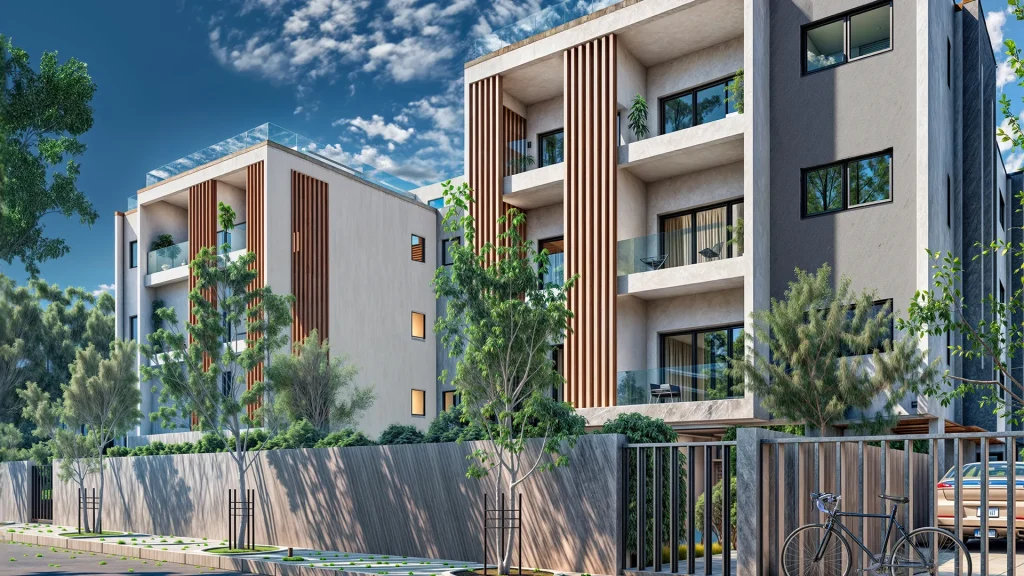
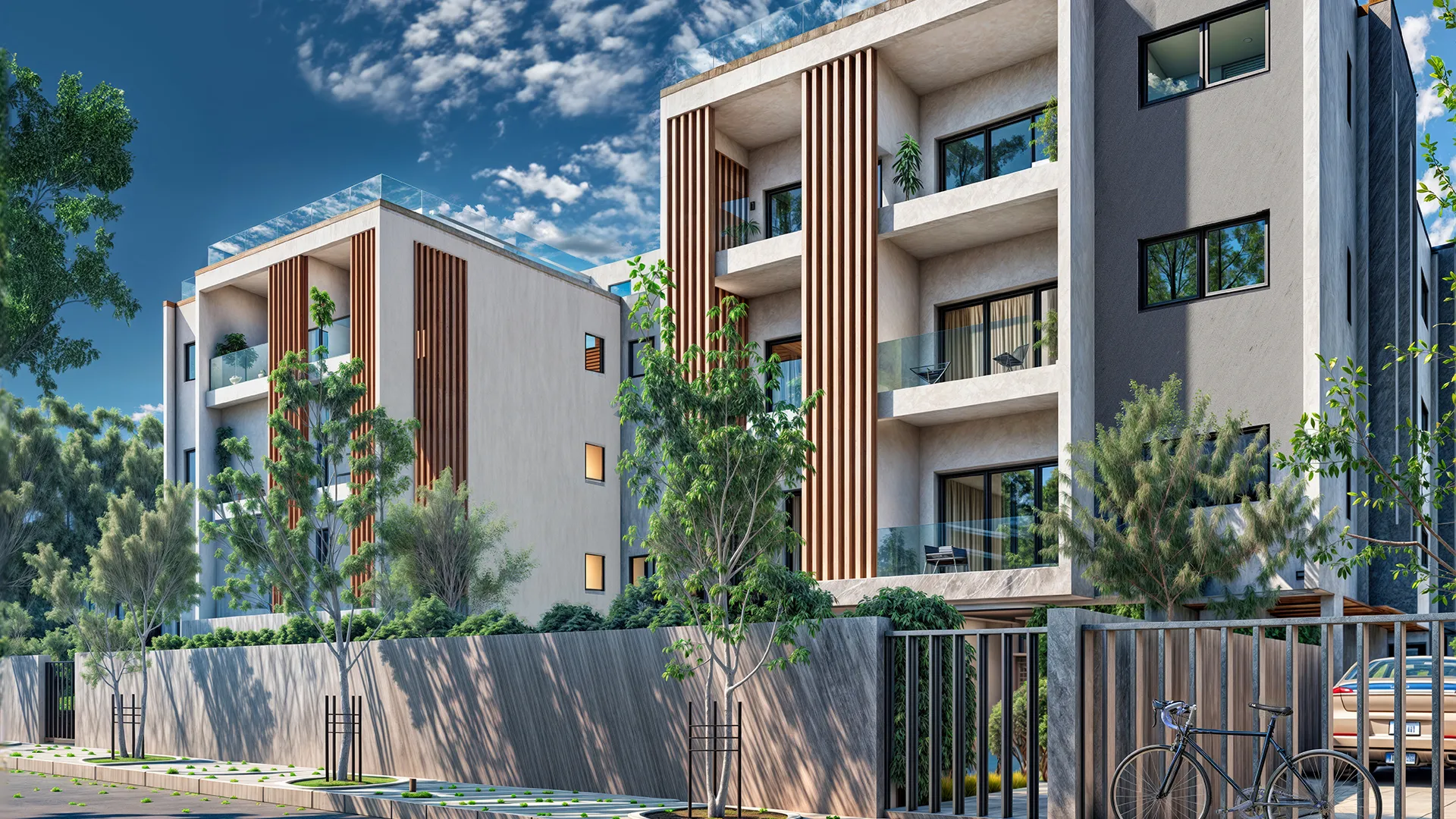
Luma Developers operates in Paphos, delivering projects that follow the same statutory fee framework applied across Cyprus. Their presence enables investors to assess costs within a consistent regulatory environment.

FAQ – Frequently Asked Questions
What is the main fee foreign buyers pay in Cyprus?
Foreign buyers typically pay either VAT on new-build properties or transfer fees on resales.
Do foreign buyers pay higher fees than locals?
No, statutory fees apply equally to foreign and local purchasers.
Are legal fees mandatory when buying property in Cyprus?
Legal representation is not legally required but is widely recommended for due diligence.
Does property type affect the total fees?
Yes, new-build properties usually fall under VAT while resales incur transfer fees.